Touring homes is one of the most exciting parts of the buying process, especially for first-time buyers. While photos and virtual tours are helpful, seeing a home in person allows you to understand

Dated: January 8 2026
Views: 29
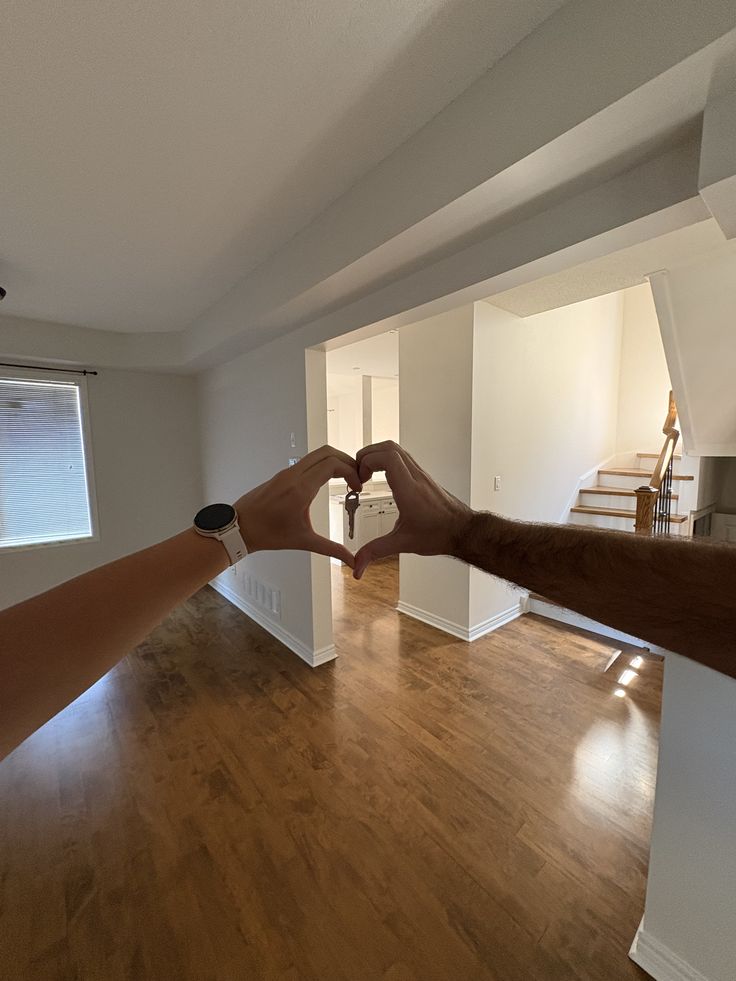
Touring homes is one of the most exciting parts of the buying process, especially for first-time buyers. While photos and virtual tours are helpful, seeing a home in person allows you to understand the layout, notice details, and get a true feel for the space.
A private showing gives you time to walk through each room, ask questions, and imagine what day-to-day life would feel like there. This is your chance to look beyond the surface and decide whether a home truly fits your needs, your lifestyle, and your future plans.
Here are some important things to pay attention to when touring a house.
As you walk through the home, look for signs of wear versus signs of real damage. Minor issues like small nail holes, scuffed paint, or cosmetic marks are common and usually easy to fix.
Pay closer attention to stains on ceilings or walls, uneven flooring, or cracks that could indicate water or structural issues. These are things you will want to understand before moving forward.
Check cabinets, corners, basements, and garages for signs of pests. Droppings, holes in wood, unusual odors, or damaged materials can all be red flags.
Pest issues can be costly and time consuming to address, so it is important to note anything that seems out of the ordinary.
During a showing, it is okay to test what is included in the home. Turn on faucets, check water pressure, flip light switches, and open appliances that stay with the house.
Small issues may not be deal breakers, but major malfunctions should be factored into your decision and discussed with your agent.
Storage is something many buyers overlook at first, but it makes a big difference in everyday living. Take note of closet sizes, kitchen cabinets, pantry space, and any additional storage areas.
Think about your current needs and how they may change in the future. A home that works now should still feel functional years down the road.
The layout of a home affects how comfortable it feels. Pay attention to how rooms connect and whether the flow makes sense for how you live.
Some buyers love open layouts, while others prefer more defined spaces. Focus on whether the layout fits your lifestyle rather than what is trending.
Make sure the rooms are sized appropriately for your furniture and daily use. Consider where bedrooms are located in relation to living spaces and whether the setup provides enough privacy.
Changing wall placement can be expensive, so it is important to be realistic about what you can and cannot easily modify.
The outside of the home matters just as much as the inside. Look at siding, fencing, decks, and overall condition.
Pay attention to trees, drainage, and how the property is positioned. These factors can impact maintenance, safety, and insurance costs over time.
Think about your parking needs now and in the future. If there is a garage, check its size and condition. If there is a driveway, consider how many vehicles it can accommodate.
Also think about guest parking and whether street parking is convenient or limited.
While a professional inspection will evaluate the structure more thoroughly, you can still notice early warning signs. Uneven floors, large cracks, sticky doors, or visible roof issues are all worth noting.
If something feels off, make a note to have it looked at more closely during the inspection phase.
Sometimes it is the subtle things that matter most. Pay attention to smells, natural light, noise levels, and how the home feels as you move through it.
Ask yourself whether the space feels comfortable and functional. These details can greatly affect how much you enjoy living there.
A home does not exist in isolation. Take time to notice the surrounding area, traffic patterns, noise, and overall atmosphere.
If possible, talk to neighbors or visit the area at different times of day. Proximity to schools, shopping, parks, and daily conveniences can play a big role in long-term satisfaction.
Final Thoughts
Seeing a home in person helps you understand whether it truly feels right for you. Trust your instincts, take notes, and do not be afraid to ask questions during the process.
When you are ready to tour homes or even just talk through what you are looking for, reach out. I am happy to help you take the next step whenever you are ready.

I grew up in the Midwest, where I learned the value of hard work, integrity, and community. My husband's military career brought us down south, and we instantly fell in love with the area. After our c....
Touring homes is one of the most exciting parts of the buying process, especially for first-time buyers. While photos and virtual tours are helpful, seeing a home in person allows you to understand
Buying your first home is exciting, but it can also feel intimidating if you are not sure what to expect. There are a lot of moving parts, and most first-time buyers worry about making the wrong
 Canopy MLS® Copyright ©2026 All rights reserved.
33. Required DMCA Notice
The Digital Millennium Copyright Act of 1998, 17 U.S.C. §512, the DMCA, provides recourse for copyright owners who believe that material appearing on the Internet infringes their rights under U.S. copyright law. If you believe in good faith that any content or material made available in connection with our website or services infringes your copyright, you (or your agent) may send us a notice requesting that the content or material be removed, or access to it blocked. Notices must be sent in writing by email to DMCAnotice@MLSGrid.com. The DMCA requires that your notice of alleged copyright infringement include the following information: (1) description of the copyrighted work that is the subject of claimed infringement; (2) description of the alleged infringing content and information sufficient to permit us to locate the content; (3) contact information for you, including your address, telephone number and email address; (4) a statement by you that you have a good faith belief that the content in the manner complained of is not authorized by the copyright owner, or its agent, or by the operation of any law; (5) a statement by you, signed under penalty of perjury, that the information in the notification is accurate and that you have the authority to enforce the copyrights that are claimed to be infringed; and (6) a physical or electronic signature of the copyright owner or a person authorized to act on the copyright owners behalf. Failure to include all of the above information may result in the delay of the processing of your complaint.
